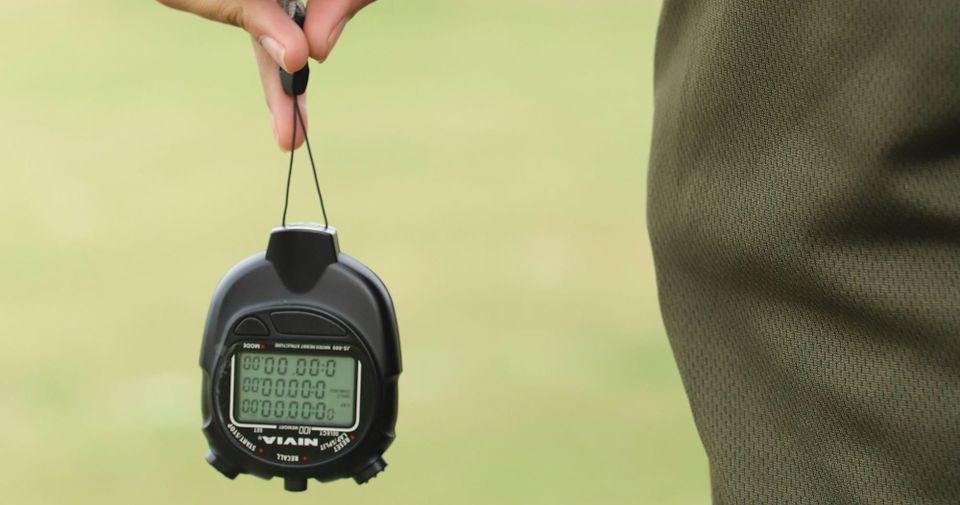
Week 84-89 | Summary - Time Based Sessions (with wetsuit) - finished strong 6:34 STA; 129.5m DNF 👌🎉
Weeks that marked a major step in my freediving journey. Using time-based DNF training, gradual progression, and competition-specific preparation, I improved consistency, relaxation, and underwater awareness. The cycle delivered a new 6:34 STA PB and competition results of 6:13 STA and 129.5m DNF.
After finishing my previous training cycle:
 Anonymous Freediver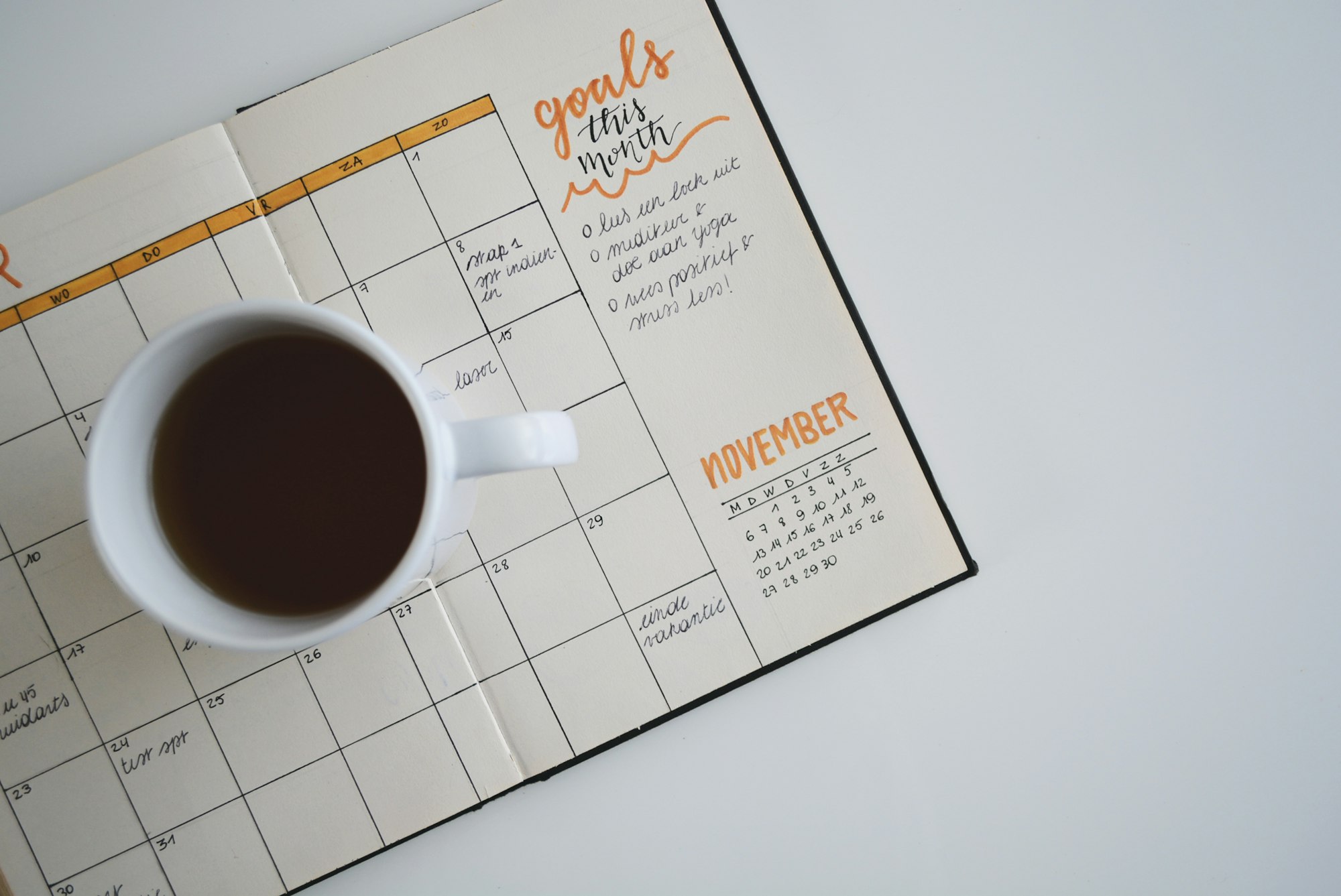
I decided to continue exploring time-based training. The goal was no longer to chase distance records during every session. Instead, I wanted to improve my understanding of the dive, make my performances more repeatable, and prepare for competition in a safe and controlled way.
Building the Foundation
The first part of this training cycle was focused on technique and awareness.
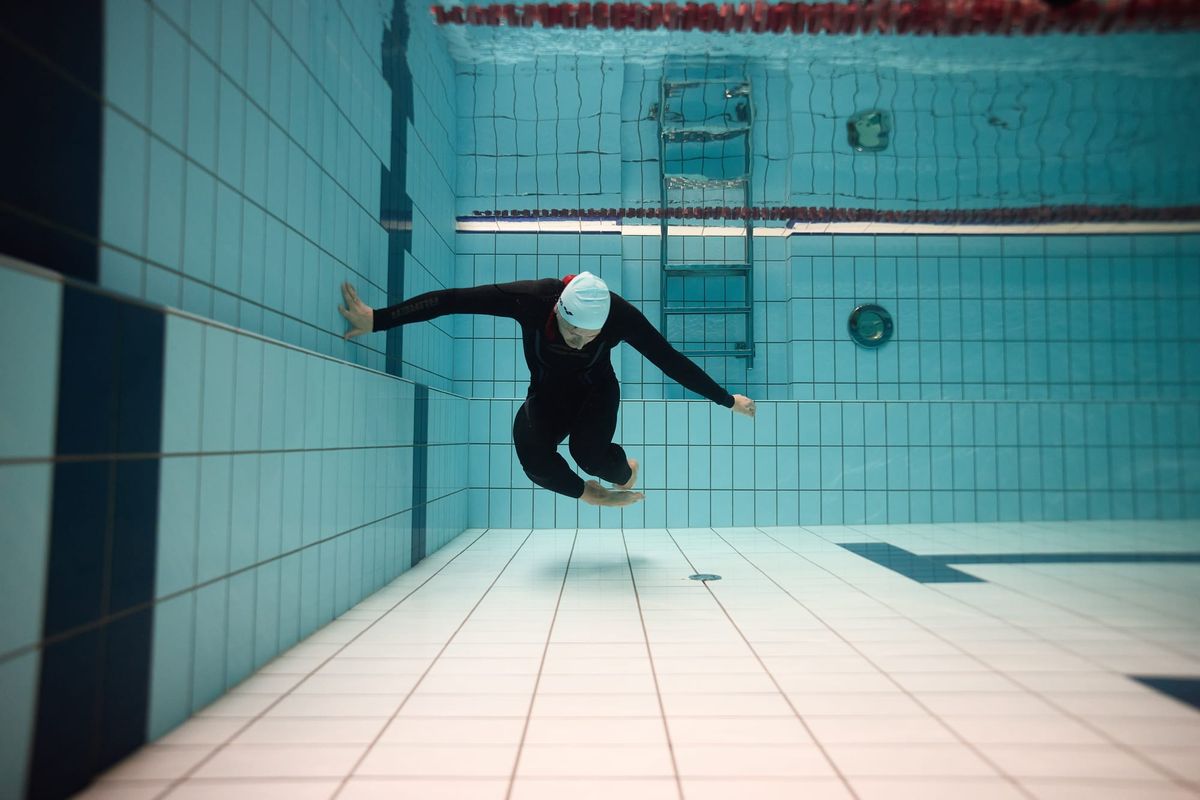
I came back to the foundation of my journey approach - reiterate and improve DNF puzzles - key elements of DNF. I started training without a wetsuit. The idea was simple: if I wanted to understand what was happening during the dive, I needed to remove as many variables as possible. Without the wetsuit, I could better feel the water, observe changes in my technique, and notice how different dive times affected my body.
Later on, I started swimming longer distances without the wetsuit.
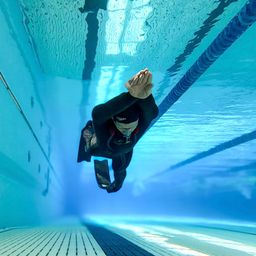 Anonymous Freediver
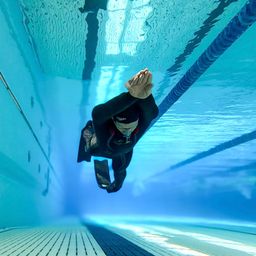 Anonymous Freediver
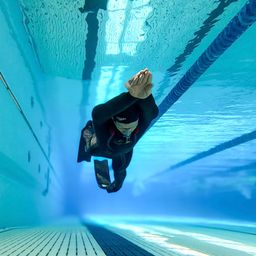 Anonymous Freediver
Many sessions were built around repeated DNF dives at the same target time. Instead of increasing distance, I increased the total duration of the dive by a few seconds whenever I felt fully comfortable.
This approach helped me pay attention to details that are easy to overlook when chasing distance. I became more aware of my glide, the number of strokes, my speed, and the overall feeling of relaxation underwater.
At the same time, I continued supporting my freediving training with aerobic work on the surface, running, and gym sessions focused on strength endurance.
Learning to Trust the Process
One thing I enjoyed during this cycle was the simplicity of the method.
The plan was to complete many repetitions at the same dive time before making any progression. Sometimes I extended the dive with a short static hold at the wall. Only after the total time felt comfortable would I increase the dynamic part of the dive.
Compared to some of my older training methods, this felt much safer and more sustainable. Instead of constantly pushing submaximal performances, I was building confidence through repetition.
The result was a series of predictable dives with very similar sensations. I started recognizing how my body reacted to specific dive times and could compare sessions much more accurately than before.
If you enjoy my blog and find the content helpful, consider supporting me with a one-time tip
The Wetsuit Phase
Last month - the final month before competition was probably the most important part of the entire cycle.
Once I felt comfortable with the training method, I put the wetsuit back on and continued using exactly the same approach. The objective was to simulate competition conditions as closely as possible.
The wetsuit changed many aspects of the dive. Longer glide phases required different timing and stroke counts. Dive times became longer, and the long recovery periods between repetitions meant that staying warm also became an important factor.
This phase allowed me to observe every detail that could influence my performance during competition:
- dive time
- glide length
- number of strokes
- body position
- feeling of the water
- pre-dive routine
- recovery procedure
I wanted all of these elements to become familiar before competition day. Rather than trying to achieve spectacular training performances, my goal was to make every part of the dive feel normal and repeatable.
More Relaxation, Less Equipment
Another interesting development during this cycle was learning to dive with less equipment.
I gradually removed my goggles and nose clip, first during shorter dives and later during longer ones. Eventually I became comfortable performing dynamic dives with closed eyes and without any facial equipment.
At first it felt unusual, but over time it became one of the most relaxing parts of the training. With fewer distractions, I could focus entirely on the movement, the water, and the sensations of the dive.
Instead of thinking about the wall, I simply focused on swimming.
Static Training
Alongside dynamic training, I continued working on static apnea.
The O₂ tables and longer static sessions helped me become more comfortable spending time close to six minutes. Just as importantly, they gave me many opportunities to practice the preparation routine and experience the sensations that appear during longer breath holds.
During this period I also achieved a new personal best of 6:34 STA, which was a nice confirmation that the training was moving in the right direction.
Competition Results
Not everything went perfectly during this cycle. Pool availability and buddy availability sometimes forced me to train less often than planned.
Fortunately, consistency mattered more than volume.
The strongest confirmation that the method was working came during competition, where I achieved:
- 6:13 STA ◻️👌
- 129.5 m DNF◻️👌
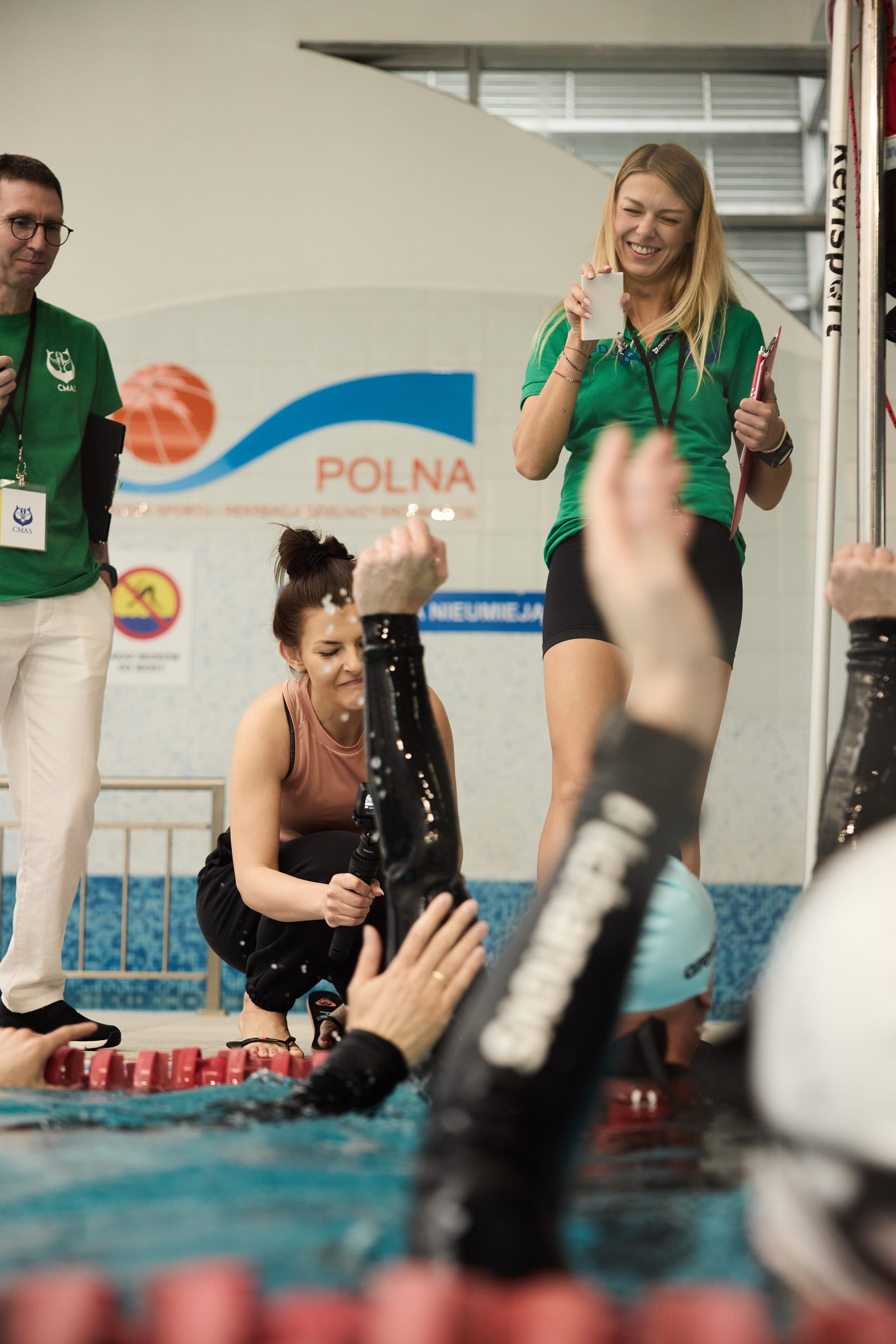
While I was happy with the results themselves, what pleased me even more was how controlled the performances felt. The dives were predictable, comfortable, and free from the problems that had affected some of my training in the past.
For me, that was the real success of this cycle.
Looking Forward
This training period reinforced a lesson that seems to appear again and again in my freediving journey: progress does not always come from pushing harder.
Sometimes it comes from slowing down, repeating the basics, and paying attention to small details.
The combination of time-based training, gradual progression, and competition-specific preparation allowed me to improve safely while gaining confidence in my performances. Most importantly, it helped me eliminate blackouts from my training and replace uncertainty with consistency.
The next challenge will be building on this foundation and seeing how far this approach can take me.
Below you can find the complete training log from the final weeks of this training cycle.
Trainings summary
These are my trainings - a blend of structured routines and personal adaptations. If you’re curious about the specifics of each drill type and want tips on how to incorporate them into your own practice, stay tuned for my upcoming posts. There’s much more to share!
Week 84
Training 1 (DNF time focus)
- 94 m DNF - slow (total apnea time 02:10); REST 07:00
- 100 m DNF - slow + STA (total apnea time 02:10); REST 07:00
- 2 × 100 m DNF + 20 s STA (total apnea time 02:20); REST 07:00
Notes: Same protocol as previous week. Weighted and in wetsuit. Good consistency at 100 m.
Training 2 (STA submax)
- 04:21 STA; REST 07:00
- 05:59 STA; REST 03:00
- 06:34 STA; REST 30:00
Notes: First attempt at submax static training. Mental approach was not optimal and some holds were stopped earlier than planned. Nevertheless, a new static PB of 0️⃣6️⃣:3️⃣4️⃣ 🎉 was achieved after longer rest on the same session.