Week 79-83 | Summary - Time Based Sessions (no wetsuit)
This training cycle began as a simple experiment: shifting focus from distance to time. Instead of chasing meters, I extended dives by seconds, discovering greater awareness, control, and consistency underwater. Progress came naturally—without pressure—transforming not just performance, but mindset.
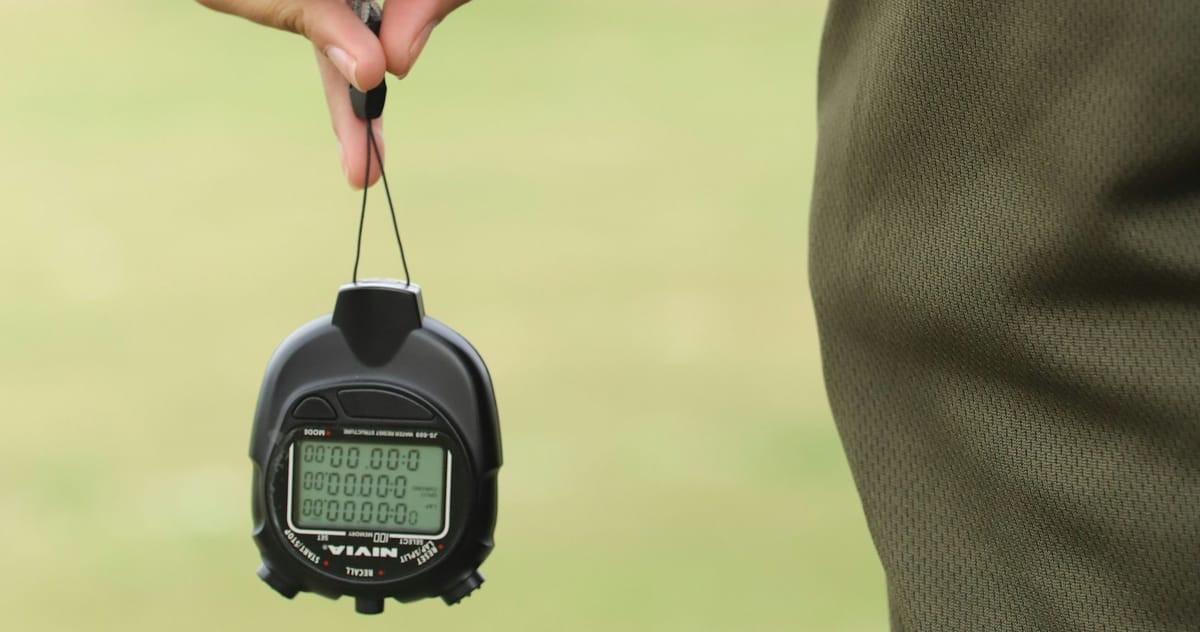
This training cycle has been a small experiment—but one that’s already changing how I look at freediving.
Interestingly, the idea didn’t come entirely from me.
At some point, one of my blog readers commented that my pace seemed a bit faster than his. That simple observation stayed with me. It made me start thinking: Is my pace OK to too fast? How can I slow down—without losing structure and measurability in my training? What would happen to my sensations?
That question became the starting point for the shape of this cycle.
Shifting the Focus: From Meters to Seconds
In my previous training cycle, I focused on distance. Progress was simple: add one more stroke every time I’m very confident with the distance. It worked—I extended my dives step by step and reached a clean 125 m DNF dive.
But this time, instead of chasing the distance, I started extending my dives by a few seconds.
At first, it felt unusual—but quickly it gave me something new:
awareness of time underwater.
This shift allowed me to:
- build intensity gradually
- stay within a safe, controlled zone
- observe how small changes affect hypoxia
I began noticing things I hadn’t paid attention to before:
- how speed impacts my urge to breathe
- how power changes the overall feeling of the dive
- how stroke count influences efficiency
It became less about performance—and more about understanding.
Surprising Results
What surprised me most was how naturally progress came.
A distance that previously felt significant—94 m in 1:50 without a wetsuit—became comfortable. Without aiming for it, I reached 100 m DNF and it took 2:10.
But the biggest change wasn’t the number. It was the mindset. I stopped “diving to the wall.” Instead, I started just swimming.
Eyes closed. No counting strokes. No chasing distance. Just waiting for the signal to surface.
The wall became just… a wall. Not a goal.
Adding Static to Stay Present
One interesting element I introduced was finishing dives with short static holds. For the safety reasons I extended the dive with static after the dive, and next extended it with the longer dive.
This allows my buddy to monitor me better and react faster if needed as I’m close to the surface while doing static after the dive.
When I reached the wall earlier than expected (for example at 75 m), I would stay there sometimes 5–10 seconds, sometimes up to 20 seconds.
This helped me stay in the moment and compare dives more honestly—it was about feeling.
Removing Equipment, Finding Relaxation
Another major change for me was to dive with no goggles, no nose clip.
Diving with closed eyes turned out to be incredibly relaxing. Odd for the first time, but after few dives it came natural.
Less stimulation, less distraction—more connection with the water.
A New Way to Measure Progress
One of the biggest lessons came from letting go of distance as the main metric.
In the past, distance sometimes misled me.
Small variations made dives hard to compare, and I occasionally “failed” distances I had already achieved.
Now, time gives me consistency and repeatability of my dives with clear picture of various aspects of my performance.
I can:
- close my eyes
- swim freely
- wait for the alarm or my buddy’s signal
I know my limits, and I stay within a safe zone—while still progressing by adding a few seconds.
Looking Ahead
The plan is simple increase target time by ~5-10 seconds only after completing multiple clean dives. Observe hypoxia symptoms.
My priorities remain:
- no blackouts
- clean surface protocols
- controlled, sustainable progress
No rush.
After a short reset (freediving in the nature):
I’m returning to time-based training—this time with a wetsuit, preparing for the competition.
Let’s see where this path leads.
What about you?
Have you ever trained based on time instead of distance? Or maybe, like me, you’re trying to slow things down?
Let me know—I’m really curious how others approach this.
Trainings summary
These are my trainings - a blend of structured routines and personal adaptations. If you’re curious about the specifics of each drill type and want tips on how to incorporate them into your own practice, stay tuned for my upcoming posts. There’s much more to share!